
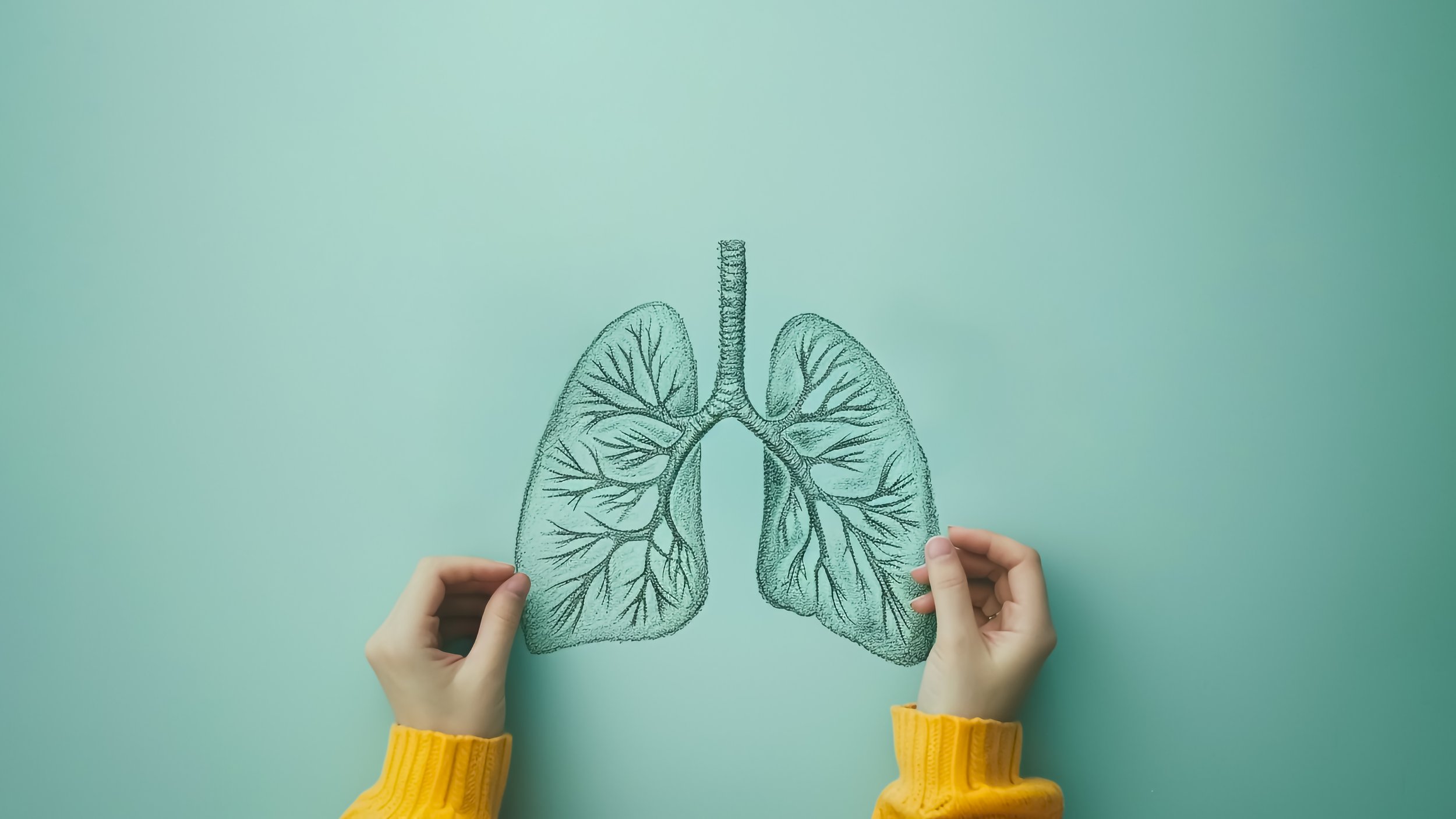
Talk to a respirologist specialist today without a referral
Struggling with respiratory issues such as bronchitis, COPD, emphysema, or asthma? Our online respirologists (also called pulmonologists) are here to help.
Diagnostic Procedures:
Respirologists utilize various diagnostic tools to assess respiratory health:
Pulmonary Function Tests (PFTs): Measure lung volumes, capacities, and the flow of air during inhalation and exhalation.
Imaging Studies: Chest X-rays and CT scans help visualize lung abnormalities.
Bronchoscopy: A procedure that allows direct visualization of the airways and can be used for biopsy or removal of obstructions.
Treatment Approaches:
Treatment in respirology can vary significantly depending on the condition and its severity. Options may include:
Medications: Such as bronchodilators, corticosteroids, and antibiotics.
Oxygen Therapy: For patients with low blood oxygen levels.
Pulmonary Rehabilitation: A program that combines education, exercise training, and support to help patients manage chronic lung diseases.
Surgery: In some cases, surgical interventions may be warranted, particularly for lung cancer or severe COPD.
Importance of Telehealth in Respirology:
Telehealth services play a pivotal role in enhancing access to respiratory care. Through virtual consultations, patients can receive timely advice and management strategies for their conditions without needing to visit a healthcare facility. This approach is particularly beneficial for individuals in remote areas or those with mobility challenges.
By focusing on these aspects of respirology, we can contribute to better health outcomes and enhance the quality of life for individuals facing respiratory issues.
Respirology: Understanding Respiratory Health
Respirology, also known as pulmonology, focuses on the diagnosis and treatment of respiratory system disorders. This specialty encompasses a wide range of conditions affecting the lungs and airways, including asthma, chronic obstructive pulmonary disease (COPD), pneumonia, and lung cancer, among others.
Common Respiratory Conditions:
Asthma:
A chronic condition characterized by inflammation and narrowing of the airways, leading to recurring symptoms such as wheezing, coughing, chest tightness, and shortness of breath. It can be triggered by allergens, respiratory infections, or environmental pollutants.
Chronic Obstructive Pulmonary Disease (COPD):
This progressive disease is marked by increasing breathlessness. It includes emphysema and chronic bronchitis, mainly caused by long-term exposure to harmful substances such as cigarette smoke.
Pneumonia:
An infection that inflames the air sacs in one or both lungs, which can fill with fluid or pus. Pneumonia can result from bacteria, viruses, or fungi and often requires medical treatment, including antibiotics or antiviral medications.
Lung Cancer:
A malignant growth that originates in the lungs and is often linked to smoking or exposure to second-hand smoke. Early detection is crucial for effective treatment.

Frequently Asked Questions
-
Respirology is a medical specialty that focuses on the diagnosis, treatment, and management of respiratory system disorders. This includes conditions affecting the lungs and the airways.
-
Respirologists treat a variety of conditions, including but not limited to:
Asthma
Chronic obstructive pulmonary disease (COPD)
Pneumonia
Interstitial lung disease
Sleep apnea
Lung cancer
Cystic fibrosis
-
ou should consider seeing a respirologist if you experience persistent or severe respiratory symptoms such as:
Shortness of breath
Chronic cough
Wheezing
Recurrent respiratory infections
Chest pain related to breathing
-
o prepare for your appointment, consider the following:
Bring a list of your symptoms.
List any medications you are currently taking.
Note any previous lung issues or treatments.
Be ready to discuss your medical history and lifestyle factors, such as smoking and exposure to environmental pollutants.
-
A respirologist may perform various tests to diagnose respiratory conditions, including:
Pulmonary function tests (PFTs)
Chest X-rays or CT scans
Arterial blood gas analysis
Bronchoscopy
Allergy tests
-
reatment options vary by condition but may include:
Medications (e.g., inhalers, steroids, antibiotics)
Oxygen therapy
Pulmonary rehabilitation
Lifestyle changes (e.g., smoking cessation, exercise)
Surgery, when necessary
-
Telehealth services can provide convenient access to respirology consultations, follow-up appointments, and monitoring of chronic conditions from the comfort of your home. Patients can discuss their symptoms, receive guidance on management, and adjust treatment plans with their respirologist virtually.
-
The frequency of check-ups depends on your specific respiratory condition and its severity. It’s essential to follow the recommendations of your respirologist regarding follow-up appointments to effectively monitor and manage your health.